
Furnace Not Turning On Colorado Springs
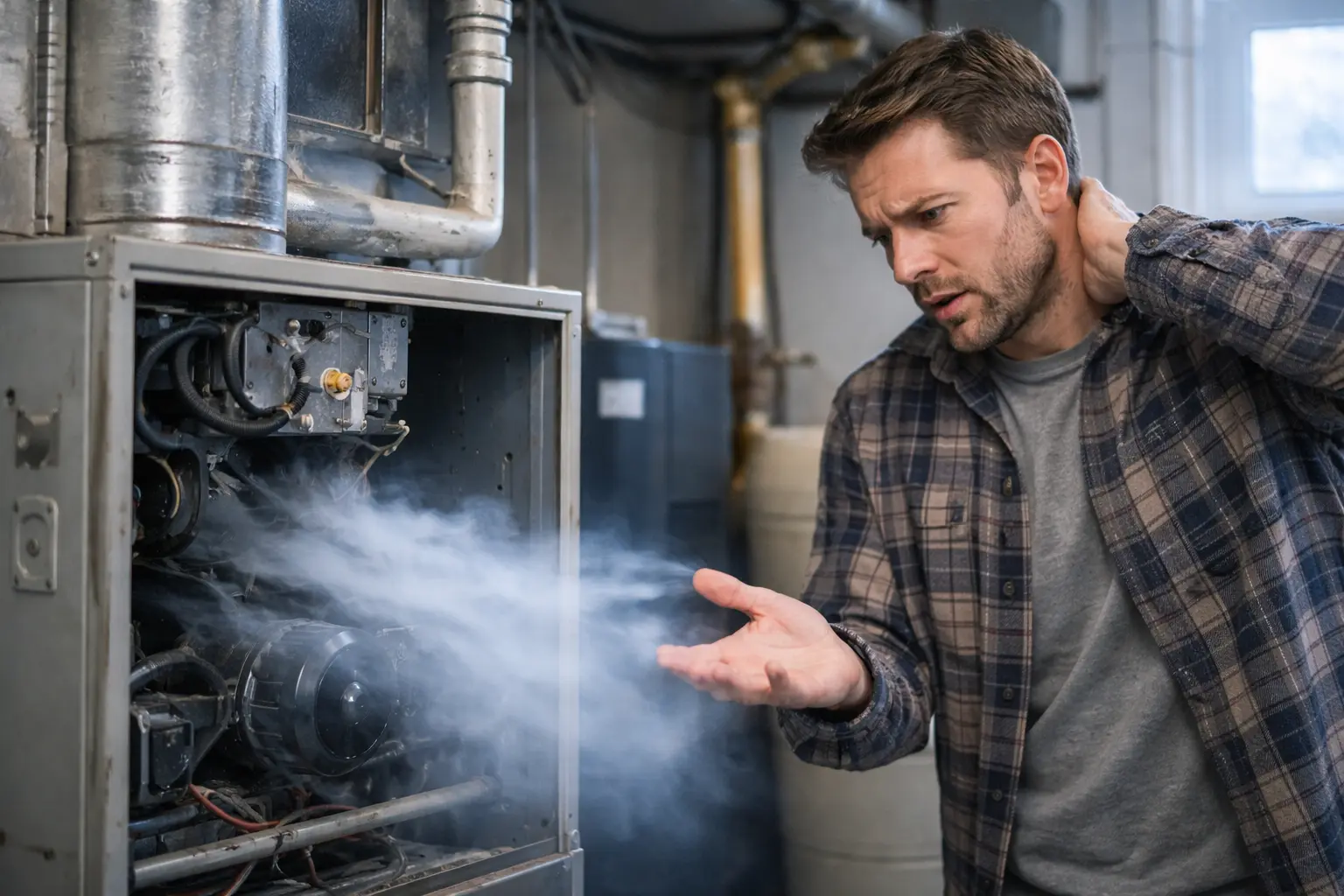
If your furnace not turning on becomes an issue during a Colorado Springs winter, it’s more than an inconvenience—it’s urgent. Temperatures can drop quickly, and a non-functioning furnace puts your home and family at risk. The good news is that many furnace startup issues stem from a few common causes, some of which you can identify quickly before calling a professional.
This guide breaks down what may be happening, what you can safely check, and when it’s time to bring in an HVAC technician. Need heat restored quickly? Our technicians are ready to diagnose and fix the issue.
Furnace won’t turn on Colorado Springs
When homeowners say their furnace won’t turn on, the problem typically falls into one of these categories: power, thermostat, or safety shutdown.
Start with the simplest checks:
- Thermostat settings: Ensure it’s set to “heat” and the temperature is above the current room temperature. Dead batteries are a common failure point.
- Power supply: Check your breaker panel. Furnaces can trip breakers, especially during cold snaps when systems run more frequently.
- Furnace switch: Many furnaces have a dedicated on/off switch nearby that can accidentally be turned off.
If all of these are correct and the system still doesn’t respond, your furnace may be in a safety lockout mode. This happens when the system detects an issue and shuts down to prevent damage or unsafe operation.
At this point, continued resets or attempts to force operation can make the problem worse. A professional diagnosis is the next step.
Why is my furnace not starting
If your furnace has power but still won’t start, the issue is likely internal. Here are the most common causes:
- Dirty or clogged air filter - Restricted airflow can cause overheating, triggering a safety shutdown. This is one of the most frequent and preventable issues.
- Ignition system failure - Modern furnaces rely on electronic ignition systems. If the igniter fails, the furnace won’t light and won’t run.
- Faulty flame sensor - A dirty or malfunctioning flame sensor can prevent the furnace from staying on, even if it initially starts.
- Gas supply issues - If the gas valve is closed or there’s an interruption in supply, the furnace won’t ignite.
- Limit switch problems - The limit switch monitors temperature and prevents overheating. If it fails, it can shut the system down entirely.
Each of these issues requires proper diagnosis. Guessing or replacing parts without confirming the root cause leads to wasted time and unnecessary cost.
Airflow issues don’t just affect system performance, they also impact your home’s air quality. The Environmental Protection Agency outlines how filtration and air cleaning directly influence both HVAC efficiency and indoor air health. Understanding how your filter functions can help prevent unnecessary strain on your furnace. If your furnace still isn’t turning on, it’s time for a professional inspection before the problem worsens.
Furnace troubleshooting tips
Before calling for service, there are a few safe checks homeowners can perform:
- Replace the air filter if it’s dirty
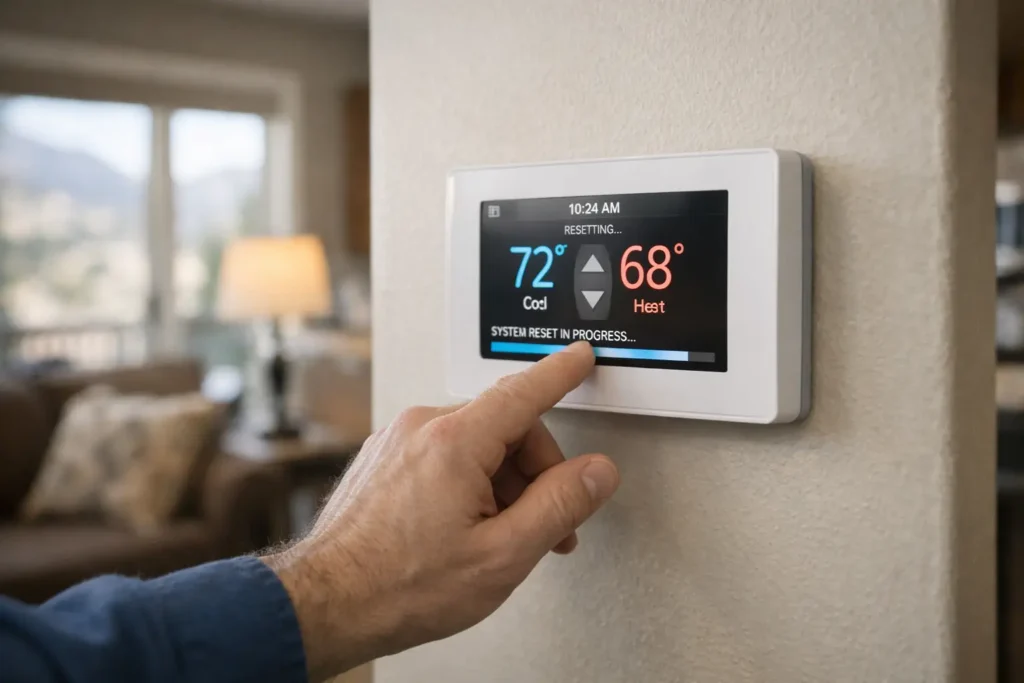
- Reset the thermostat and verify settings
- Check breakers and power switches
- Ensure vents and registers are not blocked
What you should NOT do:
- Do not repeatedly reset the furnace
- Do not attempt to bypass safety controls
- Do not open sealed furnace components
These actions can escalate a minor issue into a major repair.
If your furnace still isn’t turning on after these steps, it’s time to bring in a licensed HVAC technician. Delaying service in cold conditions increases risk, but to plumbing and home integrity as well.
For a deeper understanding of how furnaces operate and how proper maintenance impacts performance, the U.S. Department of Energy provides a detailed breakdown of system efficiency and upkeep. Their guide on furnace operation and maintenance helps homeowners understand how small issues—like airflow restrictions or neglected service—can lead to system failure.
Conclusion
A furnace not turning on is a problem that demands quick, informed action. While a few simple checks can rule out minor issues, most causes require professional diagnosis to resolve safely and correctly.
If your furnace is not responding, don’t wait. Contact All Type Mechanical Services (ATMS) for fast, reliable heating repair in Colorado Springs. Our team can quickly identify the issue and restore heat before the problem worsens.
For more guidance on heating system issues, explore our furnace troubleshooting hub and related service pages.
Frequently Asked Questions
Why is my furnace not turning on?
Your furnace may not be turning on due to thermostat issues, power problems, or internal component failure.
In many cases, it’s something simple like a tripped breaker or dirty filter, but it can also involve ignition or safety system faults that require professional repair.
What should I check if my furnace won’t start?
Start by checking your thermostat, air filter, and power supply.
If those are all functioning correctly, the issue is likely internal and should be inspected by an HVAC technician.
Can I fix a furnace that won’t turn on myself?
You can handle basic checks like replacing filters or resetting breakers.
However, most furnace issues involve electrical or gas components and should not be repaired without proper training.
How much does it cost to fix a furnace not turning on?
Costs vary depending on the issue but typically range from minor service calls to more expensive part replacements.
A proper diagnosis is required to determine the exact cost, and delaying repairs can increase expenses.
When should I call for furnace repair in Colorado Springs?
You should call immediately if your furnace won’t turn on during cold weather.
Colorado Springs winters can be severe, and waiting too long can lead to frozen pipes or further system damage.
0 Comments